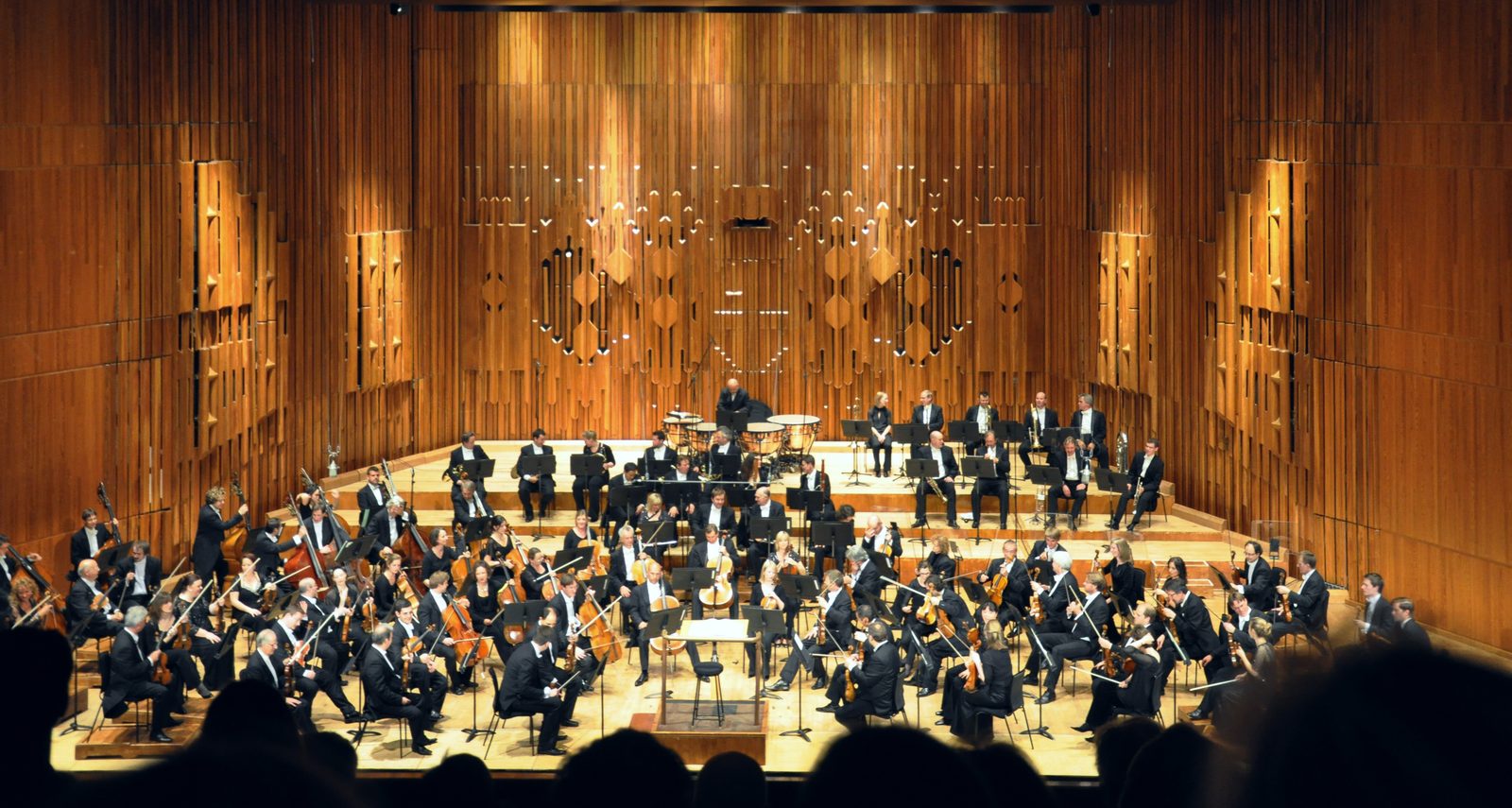
The big platforms maximise watch time. That is not the same thing as you still wanting to hear this music in a year. Orchestra gains nothing from your listening time, and does not maximise it.
The libraries
Three, and any of them without the othersHarmonica
The queue is weighted, and cooldowns run per song, per artist and per topic. Play something heavily and it leaves the queue for a while, then comes back as those plays age out. Something you rated well and have not heard for months gains weight until it turns up again. Every number behind all of that is a control you can see and change.
Harmonica →Accordion
One book is one folder, and Accordion never writes inside it. Add the book's text and it gets lined up with the recording, so the line being read is marked while you listen. It will give you a page number too, as a range, and the width of that range is measured on real pages.
Accordion →Ensemble
A channel, a podcast and a weblog arrive differently and are read differently, so Ensemble keeps them apart rather than pouring them into one feed. Nothing is counted at you. A source you have just added is a backlog rather than four hundred unread things, and what you have already watched is marked once, where the mark means something.
Ensemble →Conductor
An agent, one for each library you installed, and it does nothing at all until you give it a key of your own. Then it works the library through the same doors you do, and what it may change without asking is a list you can read.
Conductor →Run it yourself.
Download the installer for your platform, or clone the repository and run the start script. That script installs what is missing, builds the player and opens it in your browser.
v1.0.0 is the current release. Windows, macOS and Linux, plus an Android client. The phone streams from the daemon over your network, so it does not need a second copy of the library on it.
- On a PC
- Binds
127.0.0.1by default, so nothing is exposed to other devices on the network. The player opens atlocalhost:8765. - On a NAS
- The same build, bound to the network with
ORCHESTRA_HOST=0.0.0.0and shared with the household, one private profile each. You have to turn that on yourself. - Your data
- Your library, ratings and listening history live in
.orchestrainside your Orchestra folder. Updating over the top leaves all of it alone.